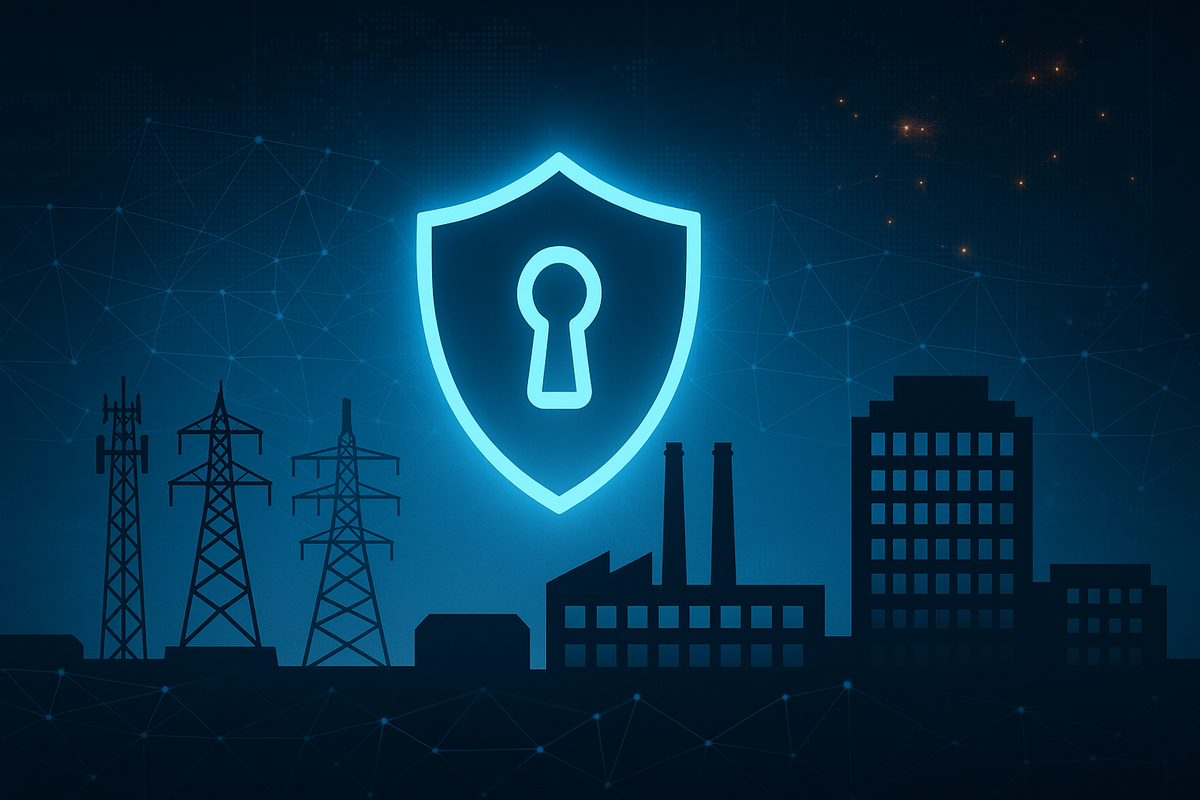
October is Cybersecurity Awareness Month: Strengthening Critical Infrastructure

Thursday, November 20, 2025
Top 5 Cybersecurity Stories You Should Know
-
October is Cybersecurity Awareness Month: Strengthening Critical Infrastructure — tl;dr: October marks Cybersecurity Awareness Month, emphasizing the importance of cybersecurity for U.S. critical infrastructure. The Cybersecurity and Infrastructure Security Agency (CISA) urges small and medium businesses, along with state, local, tribal, and territorial governments, to take proactive measures to enhance their cybersecurity defenses. This year's theme, 'Building a Cyber Strong America,' highlights the need for resilience against cyber threats. Organizations are encouraged to implement security practices and utilize CISA's free resources and toolkits to protect their systems and services, ensuring the safety of communities and critical operations.
↪ https://www.cisa.gov/cybersecurity-awareness-month -
CISA Offers Free Cybersecurity Training and Exercises for All Levels — tl;dr: The Cybersecurity and Infrastructure Security Agency (CISA) provides a comprehensive range of free cybersecurity training and exercises aimed at federal employees, private-sector professionals, and the general public. Key offerings include the CISA Learning platform, which replaces FedVTE and offers courses on various topics, and the Federal Cyber Defense Skilling Academy for federal employees. Additionally, CISA conducts cyber exercises to enhance critical infrastructure resilience. Individuals and organizations can access these resources to improve their cybersecurity skills and preparedness against cyber threats.
↪ https://www.cisa.gov/cybersecurity-training-exercises -
#StopRansomware Advisory: Interlock Ransomware Threats and Mitigation — tl;dr: The CISA and FBI have released a joint advisory on Interlock ransomware, first observed in September 2024, which targets businesses and critical infrastructure in North America and Europe. This ransomware employs a double extortion model, encrypting data after exfiltration to pressure victims into paying ransoms. Notably, initial access is gained through drive-by downloads and social engineering techniques like ClickFix. Organizations are urged to implement DNS filtering, patch vulnerabilities, segment networks, and enforce multifactor authentication to mitigate risks associated with Interlock ransomware.
↪ https://www.cisa.gov/news-events/cybersecurity-advisories/aa25-203a -
CISA Learning Offers Free Cybersecurity Training for All Levels — tl;dr: The Cybersecurity and Infrastructure Security Agency (CISA) provides a free learning management system, CISA Learning, aimed at enhancing cybersecurity and infrastructure security knowledge. This resource is available to federal, state, local, tribal, and territorial government partners, as well as the private sector, veterans, and the general public. By offering accessible training, CISA aims to bolster the nation's cybersecurity posture and resilience against threats. Stakeholders are encouraged to utilize these resources to improve their cybersecurity practices and protect critical infrastructure.
↪ https://www.cisa.gov/resources-tools/resources/cisa-learning -
CISA Cybersecurity Best Practices for Individuals and Organizations — tl;dr: The Cybersecurity and Infrastructure Security Agency (CISA) provides essential cybersecurity best practices to help individuals and organizations enhance their cyber hygiene and resilience. Key recommendations include using strong passwords, enabling multi-factor authentication, and regularly updating software. As cyber threats evolve, CISA emphasizes the importance of tailored cybersecurity plans for both government and private sectors to mitigate risks. By adopting these practices, users can significantly improve their online safety and contribute to national cybersecurity efforts. For more resources and support, visit CISA's official website.
↪ https://www.cisa.gov/topics/cybersecurity-best-practices
Featured LufSec Resource
Intro to IoT Hacking (Free) — Kickstart device hacking safely with hands-on basics.
Explore →
Connect with LufSec
- YouTube: https://www.youtube.com/@lufsec
- Instagram: https://www.instagram.com/lufsec