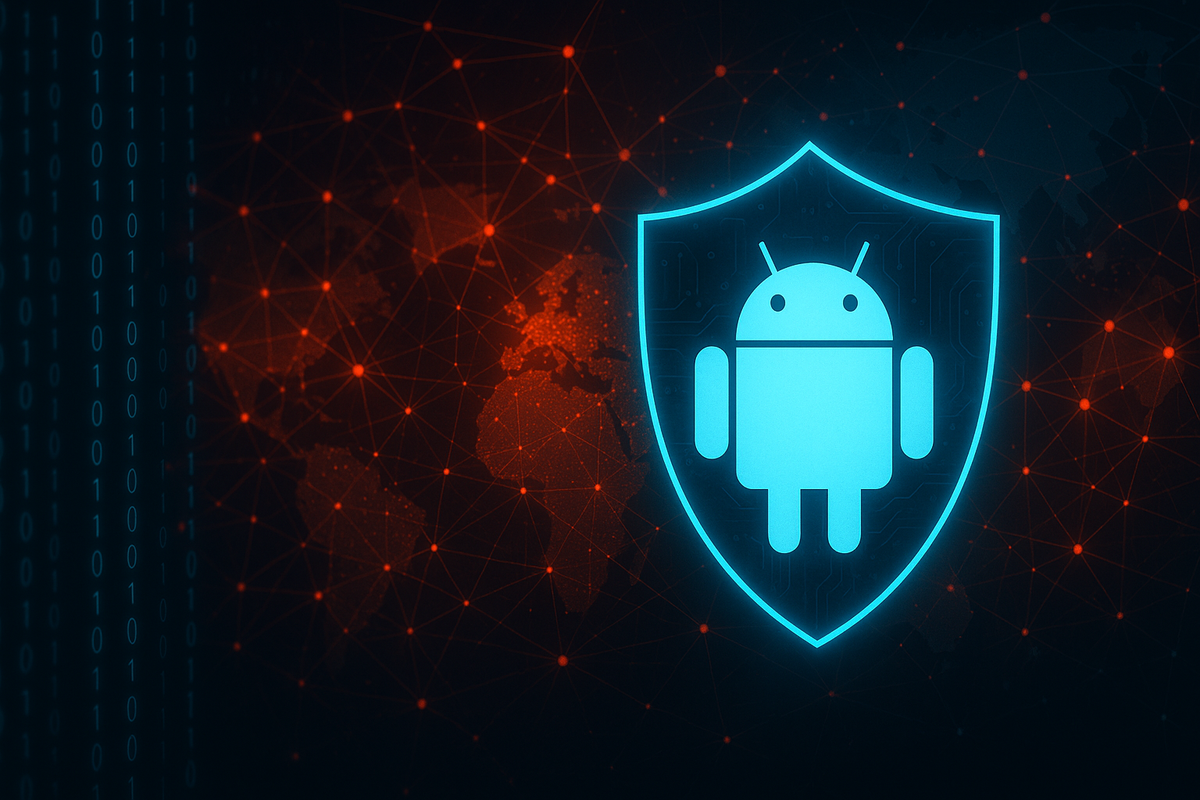
Google Patches Critical Zero-Day Vulnerabilities CVE-2025-48633 & CVE-2025-48572 in Android

Tuesday, December 2, 2025
Top 5 Cybersecurity Stories You Should Know
-
Google Patches Critical Zero-Day Vulnerabilities CVE-2025-48633 & CVE-2025-48572 in Android — tl;dr: Google has swiftly addressed critical zero-day vulnerabilities CVE-2025-48633 and CVE-2025-48572 affecting Android versions 13 to 16, amid reports of active exploitation. The vulnerabilities, which include an information disclosure flaw and a privilege escalation risk, underscore the increasing sophistication of cyber threats targeting mobile devices. Users are urged to install the latest patches immediately to safeguard against potential data breaches and device takeovers. This incident highlights the importance of prompt update adoption and collaborative security efforts among Google, device manufacturers, and users to mitigate risks in the evolving cybersecurity landscape.
↪ https://www.asianfin.com/news/226332 -
Google Patches Active Sandbox Escape Zero-Day CVE-2025-6558 in Chrome — tl;dr: Google has released a security update for Chrome to fix six vulnerabilities, including CVE-2025-6558, a high-severity sandbox escape flaw actively exploited by attackers. This vulnerability affects Chrome versions prior to 138.0.7204.157 and allows remote code execution via a specially crafted HTML page. Users are urged to update their browsers immediately to the latest version to protect against potential exploitation. This marks the fifth actively exploited flaw fixed in Chrome this year, highlighting the ongoing security challenges faced by users of the popular web browser.
↪ https://www.bleepingcomputer.com/news/security/google-fixes-actively-exploited-sandbox-escape-zero-day-in-chrome/ -
Exploit Code Released for Ingress NGINX Vulnerabilities CVE-2025-1097 to CVE-2025-1974 — tl;dr: A proof-of-concept (PoC) exploit has been developed for critical unauthenticated Remote Code Execution vulnerabilities in the Ingress NGINX Controller for Kubernetes, identified as CVE-2025-1097, CVE-2025-1098, CVE-2025-24514, and CVE-2025-1974. These vulnerabilities allow unauthorized access to secrets across namespaces and could lead to complete cluster takeover. Affected users are urged to upgrade to patched versions (1.12.1 or 1.11.5) immediately, restrict access to admission webhooks, and consider temporarily disabling the admission controller if necessary.
↪ https://darkwebinformer.com/poc-code-to-exploit-the-ingressnightmare-vulnerabilities-cve-2025-1097-cve-2025-1098-cve-2025-24514-and-cve-2025-1974/ -
#StopRansomware Advisory: Interlock Ransomware Targets Businesses — tl;dr: The CISA, FBI, and HHS have issued a joint advisory on Interlock ransomware, which has been active since September 2024, targeting businesses and critical infrastructure in North America and Europe. This ransomware employs a double extortion model, encrypting data after exfiltration and using social engineering techniques for initial access. Organizations are urged to implement DNS filtering, patch vulnerabilities, segment networks, and enforce multifactor authentication to mitigate risks. For detailed tactics and indicators of compromise, refer to the advisory and protect against potential threats.
↪ https://www.cisa.gov/news-events/cybersecurity-advisories/aa25-203a -
CISA Addresses Evolving Cyber Threats and Advisories — tl;dr: The Cybersecurity and Infrastructure Security Agency (CISA) actively monitors and shares critical information regarding emerging cybersecurity threats, including malware, phishing, and ransomware. With nation-state actors exploiting vulnerabilities, CISA emphasizes the importance of collective defense strategies for individuals, businesses, and government entities. The agency maintains a Known Exploited Vulnerabilities Catalog to assist organizations in prioritizing their vulnerability management efforts. To enhance security, CISA encourages stakeholders to stay informed about the latest alerts and advisories, utilize available resources, and adopt best practices to mitigate risks and respond effectively to cyber incidents.
↪ https://www.cisa.gov/topics/cyber-threats-and-advisories
Featured LufSec Resource
Car Hacking 101 — From key fob attacks to CAN bus exploitation—safely.
Explore →
Connect with LufSec
- YouTube: https://www.youtube.com/@lufsec
- Instagram: https://www.instagram.com/lufsec